
More Than Muscle: How Movement Upgrades Your Brain
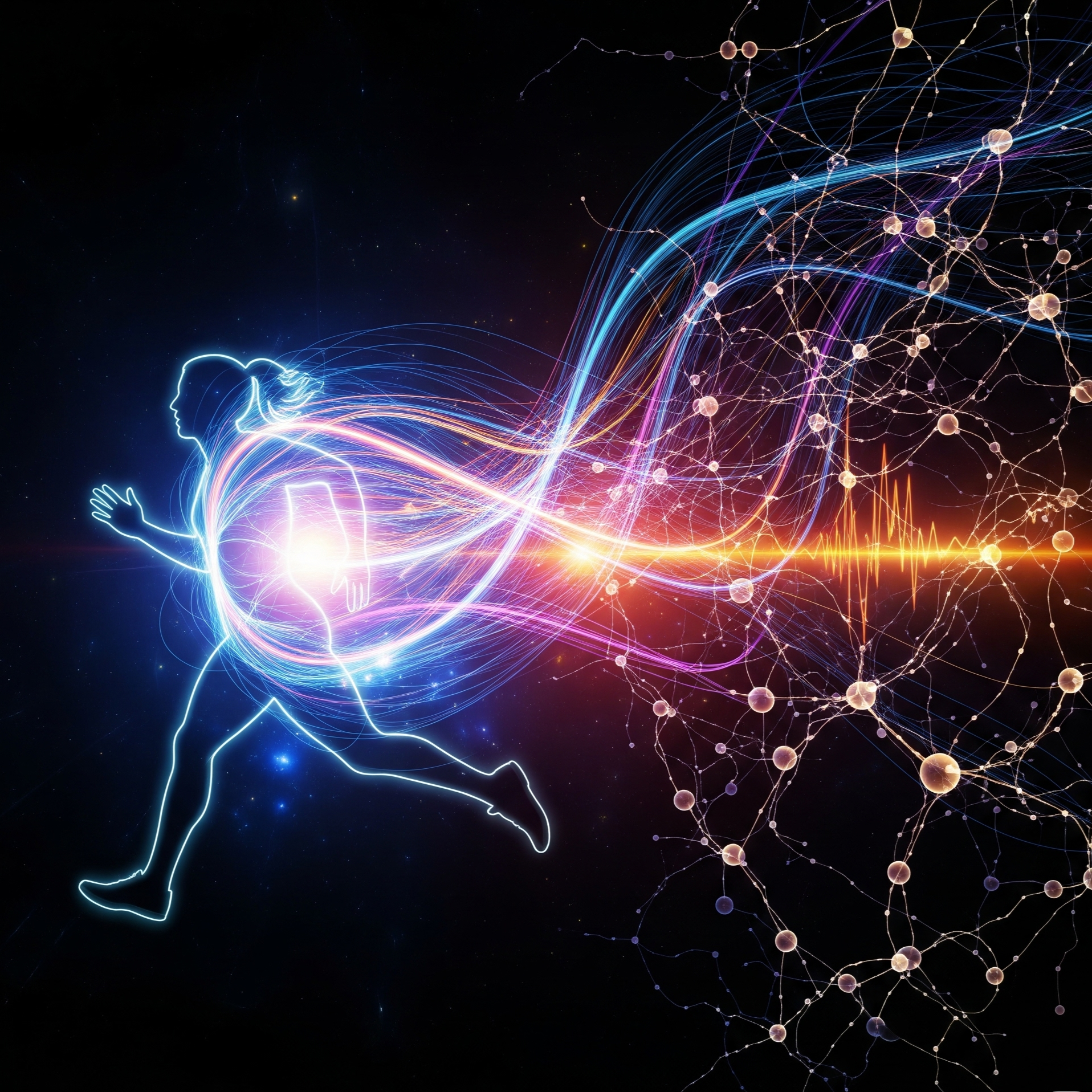
With every workout, you're not just strengthening your body; you are rebuilding your brain.
Most people exercise for what they can see.
A stronger body, a leaner frame, better numbers on a health panel. These are real benefits and worth pursuing. But they're the visible fraction of what movement actually does. The more significant effects happen somewhere you can't see them and most people never think about them.
Every time you exercise, you're not just training your body. You're rebuilding your brain.
The Protein That Grows Your Brain
During and after physical activity, your brain produces a protein called Brain-Derived Neurotrophic Factor, or BDNF. The simplest way to understand it is as fertilizer for your neurons.
BDNF supports the survival of existing brain cells, stimulates the growth of new ones, and strengthens the connections between them. This process, called neurogenesis, was once thought to be impossible in adults. The science has shifted dramatically. We now know the adult brain can and does grow new neurons, and exercise is one of the most reliable triggers for that process.
The practical effects are significant. Higher BDNF levels are associated with improved learning, stronger memory, faster cognitive processing, and long-term protection against neurodegenerative disease. The hippocampus, the region most involved in memory and learning, is particularly responsive. Regular aerobic exercise measurably increases its volume over time.
Put plainly: people who exercise consistently tend to think more clearly, learn faster, and maintain cognitive function longer into old age than those who don't. The gym is doing more for your brain than any supplement on the market.
The Neurochemical Shift
Beyond the structural changes, exercise produces an immediate neurochemical response that directly shapes how you feel.
A single workout increases serotonin and dopamine, the neurotransmitters most associated with mood regulation, motivation, and a sense of wellbeing. It releases endorphins, which reduce the perception of pain and produce the mild euphoria that experienced exercisers recognize as the post-workout feeling. It also reduces cortisol, the primary stress hormone, which is why a hard workout can metabolize anxiety in a way that sitting with it never does.
This is why exercise is consistently ranked among the most effective interventions for depression and anxiety in the clinical literature. Not as a replacement for treatment when treatment is needed, but as a genuinely powerful biological lever that most people have access to and most people underuse.
The stress you carry into a workout rarely survives it. That's not coincidence. That's neurochemistry.
The Sleep Connection
Exercise also feeds directly into the sleep pillar, which feeds back into the brain.
Regular physical activity builds sleep pressure, the biological drive toward sleep that accumulates during waking hours. It regulates the circadian rhythm. It reduces the restlessness and physical tension that keep people lying awake at night. The result is deeper, more restorative sleep, more time in the deep NREM stages where physical repair happens, and more REM sleep where emotional processing and memory consolidation occur.
Better sleep means a clearer, more regulated brain the next day. A clearer brain makes better decisions about exercise. Better exercise deepens sleep. This is the virtuous cycle the framework is built around. Each pillar amplifying the others when they're all working.
The Great Regulator
Within the four pillars, exercise holds a unique position.
It's the only pillar that simultaneously strengthens itself and directly upgrades the others. A good workout makes you want to eat better. It prepares your body for deeper sleep. It clears the mental fog that makes intentional thinking difficult. It burns off the stress hormones that degrade mental fitness over time.
This is why in the Eudaimonic Framework, exercise is called the great regulator. When one of the other pillars wobbles, exercise is often the fastest intervention available. Sleeping badly? Move. Eating poorly? Move. Mentally scattered? Move.
It's not that movement fixes everything. It's that movement creates the biological conditions under which everything else becomes easier to manage.
That's the real benefit. Not the muscle. Not even the mood lift, as real as that is. It's the fact that a body in motion tends to pull the rest of the system along with it.
